
Pesky Hard Water Problems
Hard water complaints have a way of turning into repeat business you didn’t really want. You clean the aerators, flush the water heater, replace a couple of restricted showerheads, and the homeowner is happy for a few months. Then the same calls start coming in again. The fixtures slow down, the glass doors cloud up, and the water heater starts making noise. Until the hardness is actually addressed, you’re usually just resetting the clock.
The signs are familiar. White crust on faucets and shower doors. Reduced flow at aerators and showerheads that keeps coming back after cleaning. Water heaters that pop, rumble, or lose capacity earlier than they should. Spotting on dishes and glassware. Soap that doesn’t lather well. In worse cases, supply stops and cartridge faucets start failing faster than normal. A lot of homeowners assume the fixtures are just low quality or that the pipes are “old.” Sometimes that’s part of it, but hard water is often feeding the problem.
Start with a real test instead of guessing. A simple hardness test kit is cheap and gives you a number you can show the customer. Once they see something like 15 or 20 grains, the conversation changes. That's a verifiable figure. They can hurry and look that number up online to see if you're on the level. Without a number, you’re just telling them their water is hard and hoping they take your word for it. If you want more detail, a lab test or a digital meter can break out hardness, iron, and other minerals, but for most residential calls that doesn't matter. A basic grains-per-gallon reading is enough to move the discussion forward.
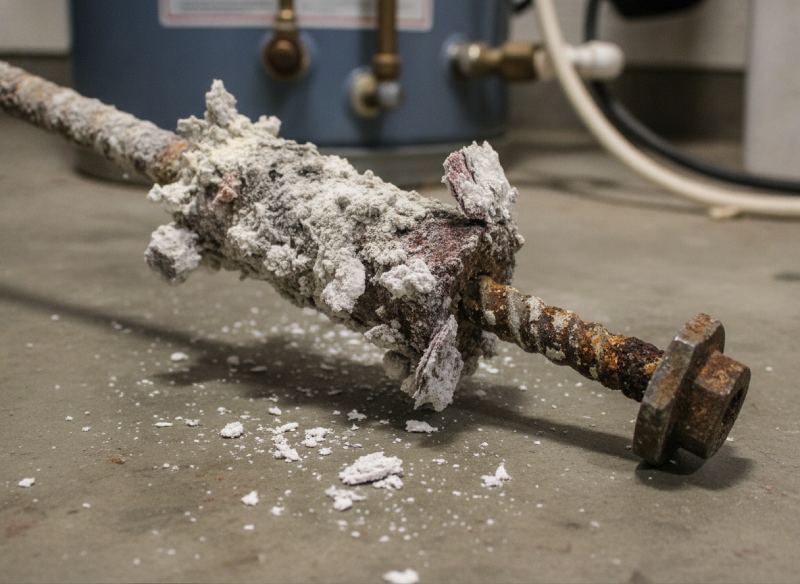
Short-term work is important too, so you won't want to skimp on it. Pull and clean the aerators. Soak or replace showerheads that are scaled up. Flush the water heater and inspect the anode rod. If it's heavily depleted, replace it and explain that hard water is what ate the last one. Check supply stops and angle stops while you’re there. These steps improve the situation immediately and show the customer you’re not just trying to sell them equipment. The more you can show them the old, damaged equipment, the more they'll appreciate what you're doing for them. It helps build confidence while they make the big decisions.
The long-term fix usually comes down to treatment. A traditional ion-exchange softener is still the most effective way to remove hardness. It works, but it needs salt, a drain, a power source, and occasional maintenance. If the customer isn’t willing to keep salt in the bin or they have septic concerns, you have to be honest about what that means in the long-term. Undersized softeners, poorly programmed units, or systems that never get serviced create their own set of callbacks. A softener that is set up wrong can leave the water still hard or make it feel slippery and over-softened.
Salt-free systems and template-assisted crystallization (TAC) units get marketed hard, and they do have a place, but they don’t remove hardness the same way a softener does. They can reduce scale buildup sometimes, but the minerals are still in the water. In very hard water, the results are often disappointing. Especially if the customer expects the same performance as a true softener. Be straight about the limitations. Overselling a salt-free system in 20-grain water will just be frustrating in six months when the fixtures are scaling up again.
Hard water really puts a beating on water heaters. Sediment builds up, efficiency drops, and the tank or heat exchanger fails earlier. On tank-style heaters, regular flushing helps but doesn’t solve the underlying problem. On tankless units, scale can restrict flow and trigger error codes. If the house has hard water and no treatment, make sure the customer understands that any new water heater will need more frequent maintenance. An upgraded anode, a water heater isolation kit for easier flushing, or a pre-filter can help, but they don’t replace actual treatment.
Fixtures and valves also suffer. Cartridge faucets, ceramic discs, and plastic components don’t last as long when they’re constantly dealing with mineral buildup. Some of the repeat “drip” or “low flow” calls on the same house are really hardness problems wearing out the internals. When you’re already replacing a cartridge or a shower valve in a hard-water house, it’s worth mentioning that treatment would extend the life of the next one.
Installation quality on treatment systems matters as much as the equipment choice. Bypass valves should be easy to use. Drain lines need proper air gaps and secure routing. Softeners should be programmed for the actual hardness and household size, not left on factory defaults. If iron is present along with hardness, that needs to be factored in or the resin can foul. A system that is installed cleanly but set up wrong still creates problems.
Customer communication is half the job on these calls. A lot of people have been burned by previous softener sales or they’ve read conflicting information online. Pushing too hard makes them defensive. Laying out the test results, the short-term fixes you already did, and the realistic options usually works better. Explain what happens if they do nothing, what a softener will change, and what a salt-free system can and can’t do. Let them decide. The ones who feel informed are less likely to call back angry when the scale returns because they chose the lighter option.
A few practical habits that help:
- Test the water and write the number down for the customer.
- Clean the fixtures and flush the heater while you’re there so they see immediate improvement.
- Inspect the anode rod on tank heaters and show them what’s left of it when it’s heavily worn.
- Be honest about maintenance. A softener that never gets salt or resin checks will eventually stop doing its job.
- If they decline treatment, document that you recommended it. It protects you when the same problems come back.
Hard water isn’t dramatic like a burst pipe, but it does quietly damage heaters, fixtures, and appliances over time. The service calls will continue until someone addresses the water itself. The plumbers who handle these jobs well do the immediate cleaning and repairs, give the customer clear information, and don’t pretend a quick aerator cleaning is a permanent fix. Being open and honest builds trust and reduces the cycle of the same house calling back with the same complaints every few months.