
Avoiding Callbacks on Water Heater Service
A water heater replacement can be one of the cleaner jobs in residential plumbing. You pull the old unit, set the new one, make the connections, check for leaks, and you're good. In reality, a decent number of these jobs generate callbacks within days or weeks, but most of the time it’s not because the heater itself is defective. It’s because of the small details that may have been overlooked.
One of the first places things go wrong is matching the new heater to the actual conditions in the house. When you put a standard atmospheric vent unit into a closet that barely has enough combustion air, you could be lining up for an issue. The new heater may produce slightly higher BTU or the vent connector may not pitch the same, and the unit starts rolling out or short-cycling. High-efficiency power-vent or direct-vent heaters have their own requirements. If the existing venting or electrical circuit can’t support them, you either need to upgrade those items or choose a different style of heater. Ignoring that conversation up front is how you end up back on site explaining why the new unit won’t run properly.
Gas line sizing gets overlooked more than it should. The old heater may have been undersized for the line it was on, or the new unit may have a higher BTU input. A marginal gas line that “worked” before can cause the new heater to struggle, especially if other gas appliances are running at the same time. Checking the pipe size and length, and verifying adequate pressure under load, takes a few extra minutes and prevents a lot of "it doesn’t heat as well as the old one" calls.
Hard water is another silent issue. If the house has hard water and you install a standard tank without addressing the anode rod or talking about treatment, the new heater can start building up sediment and losing efficiency faster than the homeowner expects. Replacing the anode with a better one (like an aluminum/zinc rod in certain water conditions) could help. Then give the customer a clear recommendation on softening or at least regular flushing for better results. Skipping that talk often leads to a return visit when the new heater starts popping and rumbling earlier than it should. Of course, customer maintenance is out of your hands, but if you've explained what's required, your part has been done.
Reusing old parts is one of the fastest ways to create a leak callback. Those flexible connectors and dielectric nipples that still look serviceable often fail shortly after the new heater is installed. The act of moving everything around, plus the fresh pressure and temperature cycles, is enough to finish them off. New connectors, new dielectric unions, and fresh Teflon or pipe dope on the joints cost very little compared to a return trip for a drip behind the heater.
Expansion tanks are still skipped too often. Many houses have closed systems because of check valves at the meter or backflow preventers. Without a functioning expansion tank, the T&P valve starts discharging and the homeowner assumes the new heater is bad. Checking for an expansion tank, testing the air charge if one exists, or installing one when needed should be part of the standard process. It’s much easier to explain the need while you’re already there than to come back later and re-explain it.
Drain pans and safe pans get treated as optional on too many jobs. If the old pan was rusted, cracked, or missing, putting the new heater in without one is just postponing the next problem. Same with the drain line from the pan. A pan that drains nowhere doesn’t help much when a leak finally shows up. Code requirements vary, but from a practical standpoint, a proper pan and drain path protect the house and reduce emergency calls.
Shutoff valves are another frequent source of return visits. The old cold and hot valves may be stiff, weeping, or only partially functional. Leaving them in place because “they still work” often means coming back when the homeowner can’t isolate the heater or when one of them starts leaking after being exercised. Replacing questionable valves while the system is already drained is usually the best move.
On electric heaters you've got a whole new aspect to consider. Give a careful look for loose lugs, undersized wire, or a breaker that was already marginal. Those can cause problems that might be misdiagnosed as issues with new elements or thermostats. Verifying proper voltage, tight connections, and correct breaker sizing before you leave prevents a certain percentage of “the new heater isn’t working right” calls.
Vent connector issues create their own set of callbacks. A connector that used to fit the old heater may be too short, too long, or at the wrong pitch for the new one. Draft diverters, locking bands, and proper support all matter. A vent that is even slightly compromised can cause rollout, condensation, or poor drafting that doesn’t show up until the heater has been running for a while under real conditions.
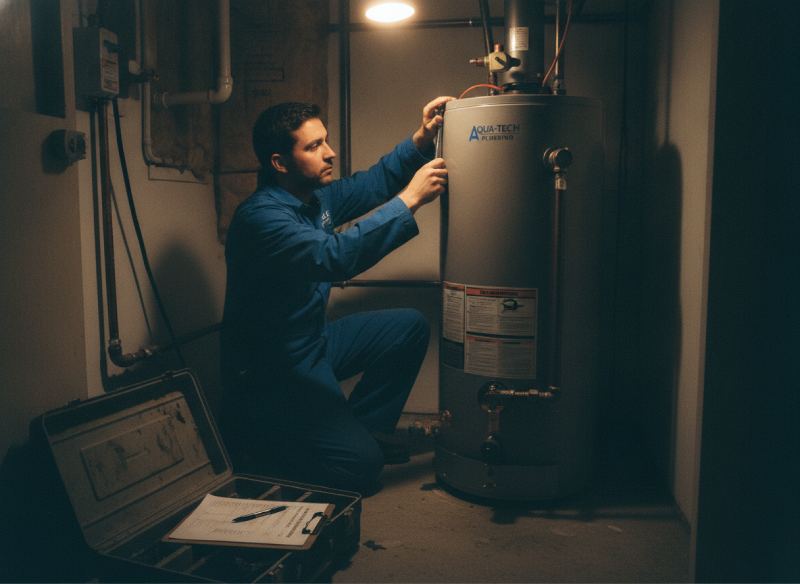
Finally, the startup and handoff matter more than some might realize. This is a good time to keep a strict list of protocol to make sure no important steps are overlooked. Filling the tank completely before energizing an electric unit, purging air from hot water lines, checking the T&P valve, verifying thermostat settings, and making sure the homeowner knows how to shut the unit down are all small steps that reduce confused or panicked calls the next day. Taking a photo of the model and serial number and noting the installation date in your records also helps if anything comes up under warranty later. Then you don't have to ask the homeowner to go check the unit and give you that information over the phone.
Most water heater callbacks are preventable. They usually trace back to reusing tired parts, skipping system checks, or not matching the new equipment to the house’s conditions. The installs that stay quiet are the ones where someone slowed down long enough to fix the little things that were already half-broken and to make sure the new unit had what it needed to run properly from day one.